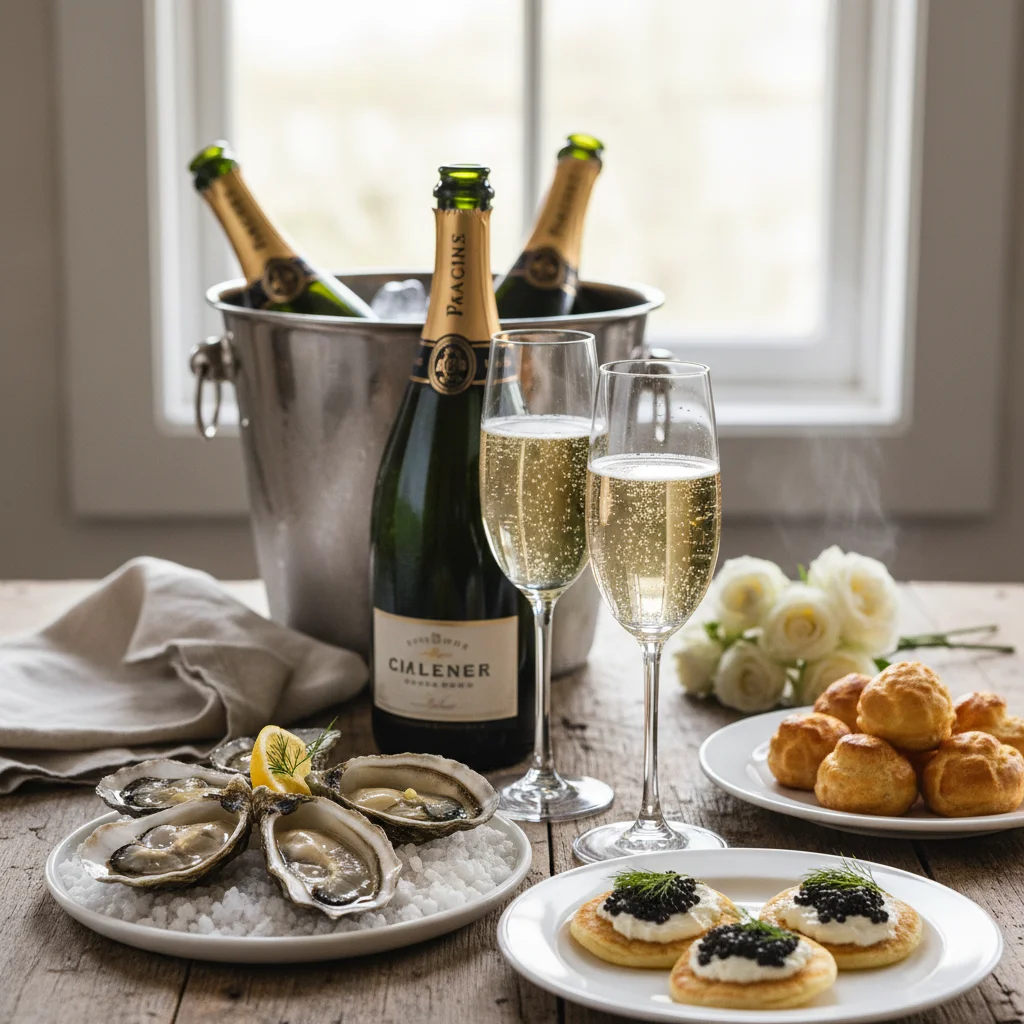
Champagne. The name alone evokes celebration. But it's more than just a celebratory drink. It's a complex and fascinating wine.
This guide will help you navigate the world of Champagne. We'll explore the grapes, styles, and food pairings. You'll be ready to pick the perfect bottle.
What is Champagne?
Champagne is a sparkling wine. It comes exclusively from the Champagne region of France. This region is northeast of Paris. The winemaking process is unique. It involves a second fermentation in the bottle. This creates the bubbles we all love. Only wines made this way in this region can be called Champagne.
The Grapes of Champagne
Three main grapes are used in Champagne production. These are Chardonnay, Pinot Noir, and Pinot Meunier.
- Chardonnay brings elegance and finesse. It adds citrus and floral aromas.
- Pinot Noir contributes body and structure. It offers red fruit flavors.
- Pinot Meunier adds fruitiness and vibrancy. It gives the wine approachability.
Different blends create different styles of Champagne. Blanc de Blancs is made from 100% Chardonnay. It's typically light and crisp. Blanc de Noirs is made from Pinot Noir and/or Pinot Meunier. It's usually richer and more full-bodied.
Understanding Champagne Styles
Champagne comes in various styles. The sweetness level is a key factor. This is indicated on the label.
- Brut Nature is the driest style. It has almost no added sugar.
- Extra Brut is also very dry. It has a minimal amount of sugar.
- Brut is a dry, classic style. It's the most common type of Champagne.
- Extra Sec is slightly sweeter than Brut.
- Sec is noticeably sweet.
- Demi-Sec is sweet. It's often enjoyed with dessert.
- Doux is the sweetest style.
Rosé Champagne is another popular style. It gets its pink color from adding red wine. It can also be made by macerating the grape skins. Rosé Champagnes offer red fruit flavors and a beautiful color.
Food Pairings: What to Eat with Champagne
Champagne is surprisingly versatile with food. Its acidity and bubbles make it a great match for many dishes.
- Oysters: A classic pairing. The salinity of the oysters complements the acidity of the Champagne. I particularly like a Blanc de Blancs with oysters.
- Fried Chicken: The richness of fried chicken is balanced by the bubbles. A Brut Champagne works well here. The acidity cuts through the fat.
- Sushi: Champagne's delicate flavors pair well with sushi. The bubbles cleanse the palate between bites. A rosé Champagne can be lovely with salmon sushi.
- Cheese: Creamy cheeses like brie and camembert are great with Champagne. The bubbles prevent the cheese from being too heavy. Try a vintage Champagne for a special occasion.
- Popcorn: Sounds crazy, but it works. The saltiness of the popcorn is a nice contrast to the dryness of the Champagne. It's a fun, casual pairing.
- Almonds: I often reach for a glass of Champagne when I have almonds as a snack. The subtle nutty notes of the almonds complement the wine.
Avoid overly sweet or spicy foods. They can overwhelm the delicate flavors of Champagne.
Vintage vs. Non-Vintage Champagne
Most Champagne is non-vintage (NV). This means it's a blend of grapes from multiple years. This allows producers to maintain a consistent house style. Vintage Champagne is made only in exceptional years. It reflects the unique characteristics of that specific harvest. Vintage Champagnes are typically more complex. They can age for many years. They are usually more expensive.
Serving Champagne
Serve Champagne chilled. The ideal temperature is around 45-50°F (7-10°C). Use an ice bucket to keep it cool. A tulip-shaped glass is best for Champagne. It allows the bubbles to develop. It also concentrates the aromas. Avoid using coupe glasses. They cause the bubbles to dissipate too quickly. Hold the bottle at a 45-degree angle when opening. Gently twist the bottle, not the cork. This will prevent the Champagne from spraying everywhere.
Dosage Explained
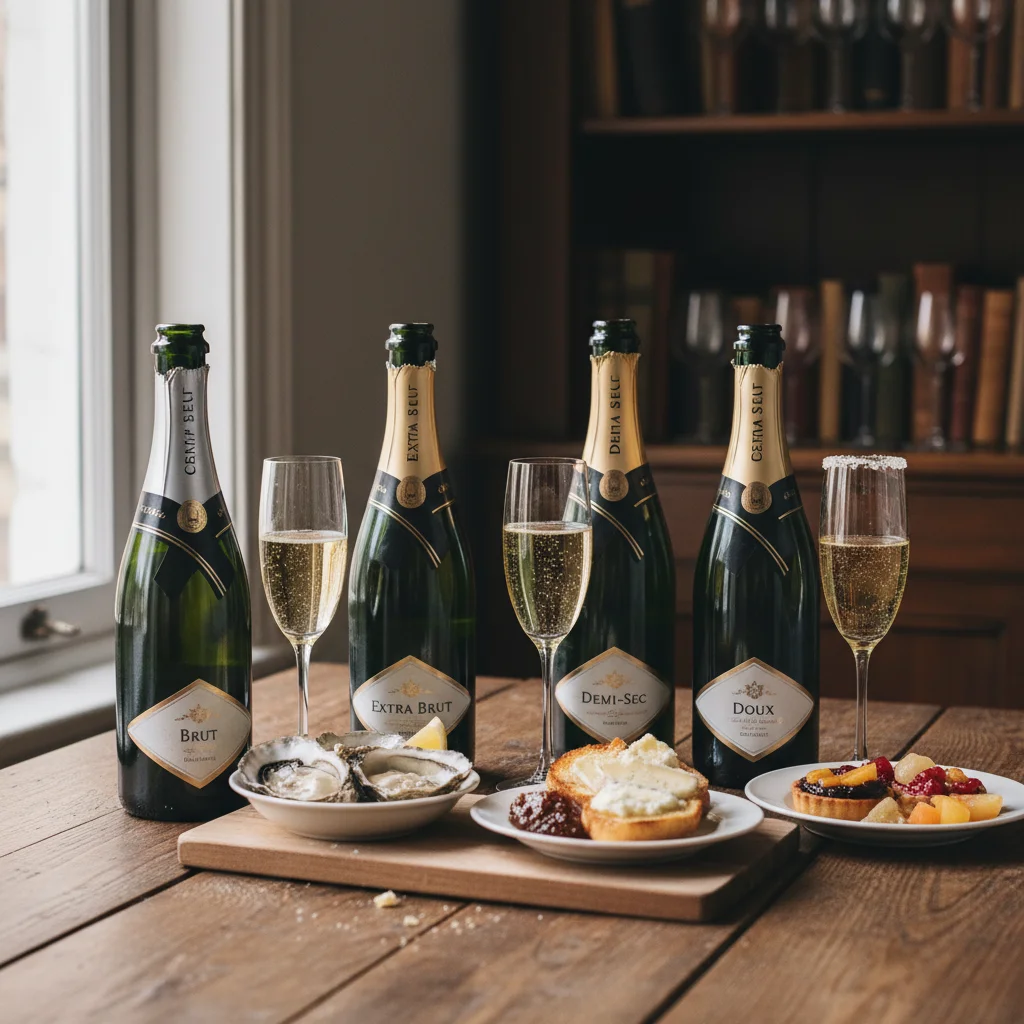
Dosage is the final step in Champagne production. It involves adding a small amount of sugar to the wine. This adjusts the sweetness level. The amount of sugar added determines the style of Champagne (Brut, Extra Dry, etc.). The dosage is a crucial element. It balances the acidity and creates the final flavor profile.
Beyond the Big Names
While well-known Champagne houses are reliable, explore smaller producers. Grower Champagnes are made by the same people who grow the grapes. These wines often offer unique character and value. Look for the term "Récoltant-Manipulant" (RM) on the label. This indicates a grower Champagne.
Storing Champagne
Store Champagne in a cool, dark place. Avoid direct sunlight and temperature fluctuations. The ideal storage temperature is around 55°F (13°C). Store bottles horizontally. This keeps the cork moist. Properly stored Champagne can age for many years. Even non-vintage Champagne can benefit from a few years of cellaring.
Is Sparkling Wine the Same as Champagne?
No, sparkling wine is not the same as Champagne. All Champagne is sparkling wine. But not all sparkling wine is Champagne. Sparkling wine can be made anywhere in the world. It can be made using different methods and grapes. Only sparkling wine from the Champagne region of France can be called Champagne. Other regions produce excellent sparkling wines. Consider Cava from Spain, Prosecco from Italy, or sparkling wines from California.
Champagne Cocktails
While Champagne is delicious on its own, it's also great in cocktails. A classic Mimosa is a simple and refreshing choice. Combine Champagne with orange juice. A French 75 is another popular option. Mix Champagne with gin, lemon juice, and sugar. For something different, try a Champagne cocktail with fruit purees or liqueurs.
Best Places to Buy Champagne
- Wine Society – Offers a wide selection and expert advice.
- Naked Wines – Good prices on smaller producer Champagne.
- Amazon – Convenient and often has competitive pricing.
- Local Wine Shops – Great for discovering unique bottles and supporting local businesses.