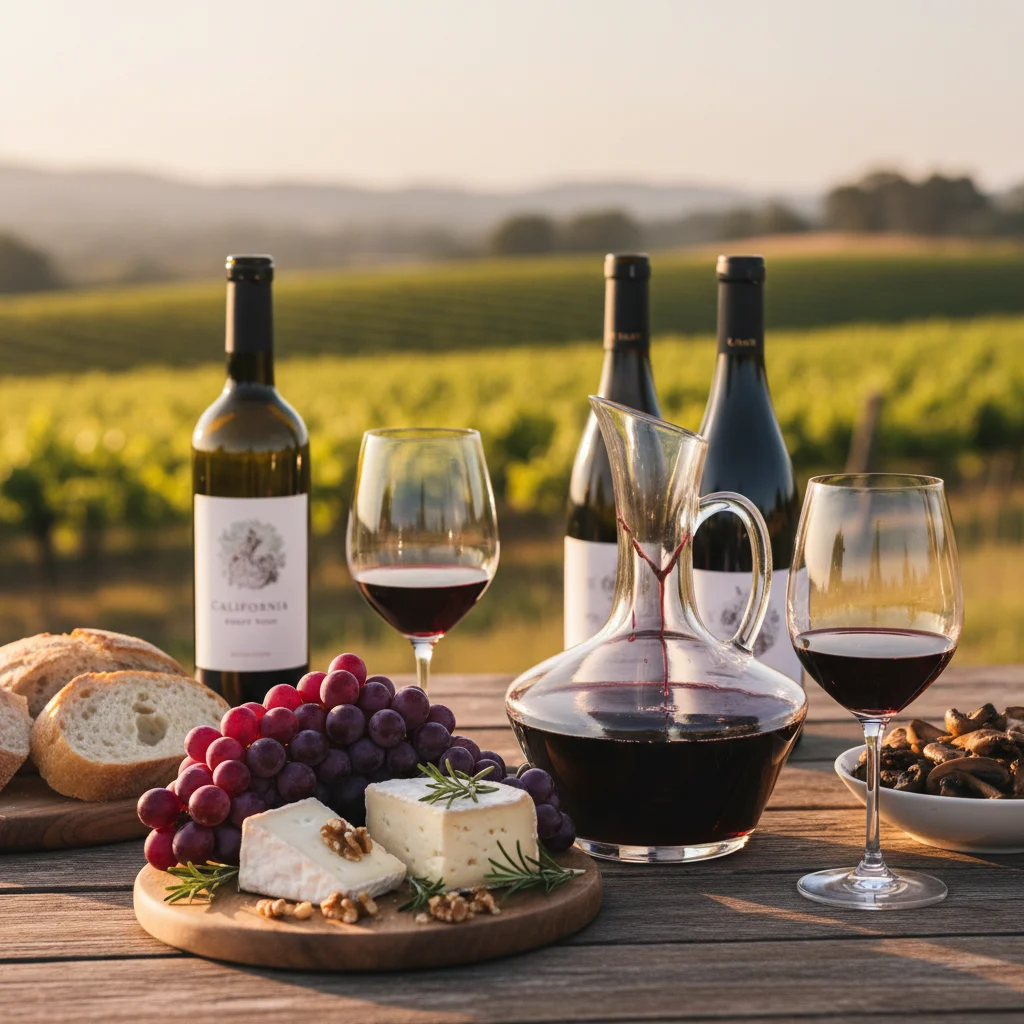
Planning a dinner party? Looking for the right wine to pair with salmon? California Pinot Noir is a great choice.
This guide will help you navigate the world of California Pinot. We'll cover key regions, different styles, and perfect food pairings.
What Makes California Pinot Noir Special?
California Pinot Noir offers a unique expression of this beloved grape. The state's diverse climate plays a huge role. From cool coastal regions to warmer inland valleys, you’ll find a range of styles. Expect bright fruit, earthy notes, and a smooth texture.
Key California Pinot Noir Regions
- Sonoma Coast: This region is known for its cool climate. Expect wines with high acidity and red fruit flavors. Think cranberries and raspberries.
- Russian River Valley: Located within Sonoma County, this area offers riper fruit. You'll find notes of cherry and plum.
- Carneros: Straddling Napa and Sonoma, Carneros is another cool-climate region. These wines often have earthy undertones and firm tannins.
- Santa Lucia Highlands: This region in Monterey County produces concentrated wines. They boast dark fruit and spice notes.
- Anderson Valley: Mendocino's Anderson Valley is known for its elegant, aromatic Pinot Noirs.
California Pinot Noir Styles: Finding Your Preference
California Pinot Noir comes in several styles. Understanding these differences will help you find your perfect bottle.
- Fruit-Forward and Approachable: These wines emphasize ripe fruit flavors. They're often made with minimal oak influence. Perfect for everyday drinking.
- Earthy and Complex: These Pinots showcase earthy notes like mushroom and forest floor. They often have a savory character. These wines pair well with game meats.
- Rich and Concentrated: These wines are full-bodied and packed with flavor. They often see more oak aging. They are great for special occasions.
Pairing California Pinot Noir with Food
California Pinot Noir is incredibly versatile. It pairs with a wide range of dishes. Here are a few of my favorite pairings:
- Salmon: Pinot Noir's acidity cuts through the richness of salmon. I often pair a Sonoma Coast Pinot with grilled salmon.
- Roasted Chicken: The earthy notes in Pinot Noir complement roasted chicken beautifully. Try a Russian River Valley Pinot with roast chicken.
- Mushroom Dishes: Pinot Noir and mushrooms are a classic pairing. A Carneros Pinot goes well with mushroom risotto.
- Pork: Pinot Noir’s bright acidity balances the richness of pork. One combo I come back to is pork tenderloin with a Santa Lucia Highlands Pinot Noir.
- Lamb: Lighter styles of Pinot Noir can work with lamb. I reach for an Anderson Valley Pinot Noir with roast leg of lamb with rosemary.
Understanding the Label
California Pinot Noir labels can seem confusing. Here's what to look for:
- Region: The label will indicate the region where the grapes were grown. This gives you a clue about the wine's style.
- Vintage: The year the grapes were harvested. This can affect the wine's flavor profile.
- Producer: The name of the winery or producer. Some producers are known for specific styles of Pinot Noir.
- Alcohol Content: This indicates the wine's strength. Generally, higher alcohol content suggests a riper, more full-bodied wine.
Price Points: Finding Value
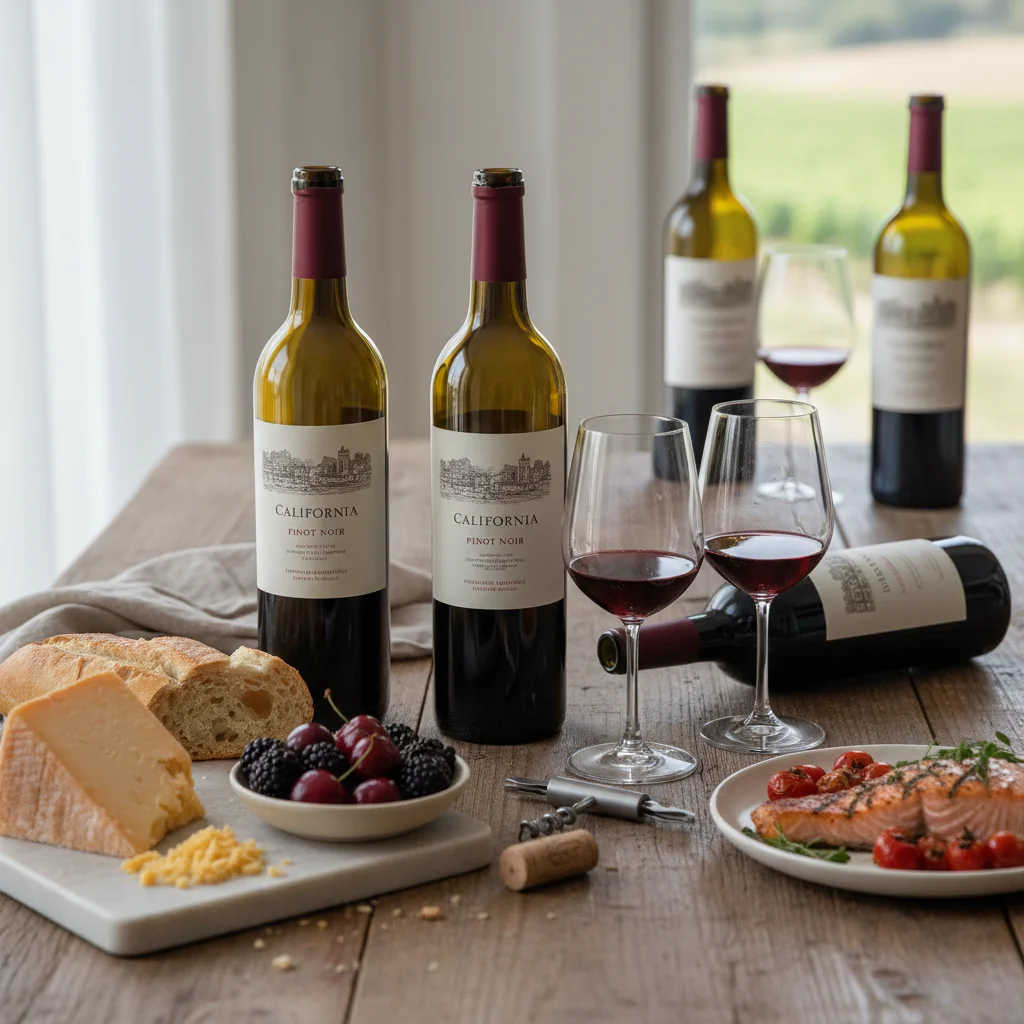
California Pinot Noir prices can vary widely. You can find excellent bottles at different price points.
- Under $25: Look for wines from larger producers or less well-known regions. These wines can offer great value.
- $25-$50: This price range offers a good balance of quality and price. You'll find wines with more complexity and character.
- $50+: Expect high-quality wines with exceptional depth and aging potential. These are often single-vineyard wines from top producers.
Tips for Tasting California Pinot Noir
Tasting Pinot Noir is a sensory experience. Here are a few tips to enhance your enjoyment:
- Serve at the Right Temperature: Pinot Noir should be served slightly chilled. Aim for around 60-65°F (15-18°C).
- Use the Right Glass: A Burgundy glass with a wide bowl is ideal. This allows the wine's aromas to develop.
- Swirl and Sniff: Swirl the wine in your glass to release its aromas. Take a moment to appreciate the different scents.
- Taste Carefully: Take a small sip and let the wine coat your palate. Pay attention to the flavors, tannins, and acidity.
- Consider the Finish: The finish is the lingering taste after you swallow. A long, pleasant finish is a sign of a well-made wine.
Common Mistakes to Avoid
- Serving Too Warm: Serving Pinot Noir too warm can make it taste flabby and dull.
- Using the Wrong Glass: A narrow glass will not allow the wine's aromas to fully develop.
- Overlooking the Vintage: The vintage can significantly impact the wine's character. Research the vintage before buying.
- Ignoring the Region: Different regions produce different styles of Pinot Noir. Choose a region that matches your preferences.
Exploring Beyond the Basics
Once you're familiar with the main regions and styles, explore further.
- Single-Vineyard Wines: These wines are made from grapes grown in a single vineyard. They can offer unique insights into terroir.
- Older Vintages: Aged Pinot Noir can develop complex tertiary aromas. These include earthy, leathery, and savory notes.
- Less Common Regions: Explore Pinot Noir from regions like the Central Coast or Mendocino Ridge.